Marsya Font Review: Elegant Script for Small Business Branding
Last week, I was sitting at my kitchen table surrounded by stacks of kraft paper boxes, twine, and a freshly printed batch of product labels for my small candle business. The labels looked decent enough—clean, minimal, with my logo centered in a simple serif. But something felt off. They didn’t have that warm, handcrafted feel I wanted customers to experience when they unboxed a candle. I needed a font that could bridge the gap between professional polish and personal charm. That’s when I stumbled across Marsya, a script font from Script Amp that promised classic elegance with a modern twist. After testing it on labels, packaging, and even social media graphics, I can honestly say it transformed the way my brand looks—and more importantly, how customers perceive it.
The Moment I Realized My Brand Needed a Font Upgrade
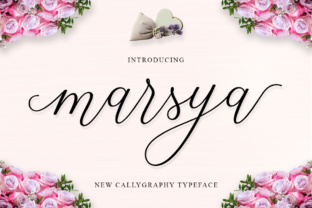
As a small business owner, you know that every detail matters. The way your product feels, the scent, the color of the ribbon—but typography is often overlooked. I had been using a generic free script font for my headers, thinking it was “good enough.” But when I held my candle label next to one from a boutique brand I admire, the difference was glaring. My font felt stiff, predictable, and a little amateur. That’s when I remembered reading about Marsya on Script Amp. It was described as a mix of classic beauty and modern flair, packed with alternates and stunning swashes. I downloaded the font, installed it, and within minutes I had a new header for my label design. The difference was immediate: the letters had a natural flow, a gentle bounce, and those swashes added just the right amount of flourish without screaming “look at me.”
What Makes Marsya Stand Out in a Sea of Script Fonts
There are hundreds of script fonts out there, but Marsya feels different. It strikes a rare balance between being decorative and readable. The letterforms are elegant but not overly ornate—think of a calligrapher’s hand that has been refined for digital use. The font includes a generous set of alternates and ligatures, which means you can change the look of a word by swapping in a different letter shape or connecting stroke. For example, the lowercase “y” can have a long, sweeping tail or a shorter, more restrained one. This kind of variety is a goldmine for designers who want every label or tile to feel unique. Marsya also features stunning swashes that can be added to capital letters at the beginning of a word, giving your brand name a signature, high-end feel. It’s not just a font—it’s a set of design assets that let you customize your message.
Real Business Uses: From Bakery Labels to Café Menus
After using Marsya for my candle labels, I started experimenting with other business materials. Here are a few real-world applications where the font truly shines:
- Product labels for handmade goods: Whether it’s a candle jar, a soap wrapper, or a small-batch jam jar, Marsya adds a handcrafted, premium feel. The swashes work beautifully on circular labels or tags.
- Bakery boxes and pastry tags: Imagine a simple brown box tied with string, and a small tag that reads “Salted Caramel Brownie” in Marsya’s elegant script. It instantly elevates the item from homemade to artisanal.
- Café menus and chalkboard signs: For a café that wants to convey warmth and sophistication, Marsya is perfect for menu headers like “Coffee & Espresso” or “Today’s Specials.” Pair it with a clean sans serif for the descriptions.
- Thank-you cards and note cards: I printed a small batch of thank-you cards for my online orders, using Marsya for the greeting. Customers have commented on how “pretty” and “special” the cards feel—proof that typography can create a memorable, customer-friendly experience.
- Social media graphics and Instagram posts: Marsya works great for quote overlays or product announcements. Because the font is display-oriented, it’s best for short text—headlines, product names, or a single line of inspiration.
In each case, the font helped my brand look more professional and consistent. Instead of using different styles for different materials, I now have a cohesive typography system that makes everything feel like it belongs to the same brand family.
Pairing Marsya With the Right Supporting Fonts
No script font works well alone for an entire brand. You need a supporting typeface for body copy, descriptions, and longer text. Marsya pairs beautifully with a clean sans serif font like Montserrat, Lato, or Open Sans. The contrast between the flowing script and the crisp, geometric sans creates a professional, balanced look. If you want something more elegant, a classic serif font like Playfair Display or Cormorant Garamond can work wonders—especially for editorial designs or blog headers. For a more modern, casual feel, you can pair Marsya with a simple handwritten font that has a similar weight. The key is to let Marsya be the star for headlines and accents, while the supporting font handles readability. This way, your brand identity remains clear and easy to understand, even on a mobile screen or a tiny label.
Practical Tips Before You Start Designing With Marsya
Before you commit to any commercial font, it’s important to check the details. Marsya is available from Script Amp, and the package typically includes multiple file formats (OTF, TTF, WOFF) so you can use it in print design, web design, and even digital ads. The font comes with a rich set of alternates and ligatures, which you can access through OpenType-savvy software like Adobe Illustrator, Photoshop, or Canva Pro. If you’re planning to use Marsya on products you sell—like labels, packaging, or merchandise—make sure you review the commercial font licensing from Script Amp. Most licenses cover standard branding materials, but double-check if your usage falls under personal, commercial, or extended terms. Also test the font at different sizes: at very small point sizes (e.g., 8–10pt on a label), the intricate swashes and thin strokes might become hard to read. Use it for short phrases, logos, and decorative accents, and save cleaner fonts for the small print.
Another tip: explore the alternates and swashes to create a unique brand signature. You can customize your logo or product name by choosing letter variations that feel more balanced or expressive. This level of flexibility is what makes Marsya not just a font, but a tool for building a brand identity that feels both classic and fresh. Since using it, I’ve received more compliments on my packaging, and I’ve noticed customers sharing photos of their orders on social media—which is exactly the kind of organic engagement every small business dreams of.
If you’re an entrepreneur, handmade seller, café owner, or online shop builder looking to upgrade your visual consistency, I highly recommend giving Marsya a try. It’s one of those rare script fonts that manages to be beautiful without being impractical, and elegant without feeling cold. Your brand deserves that kind of polish.